
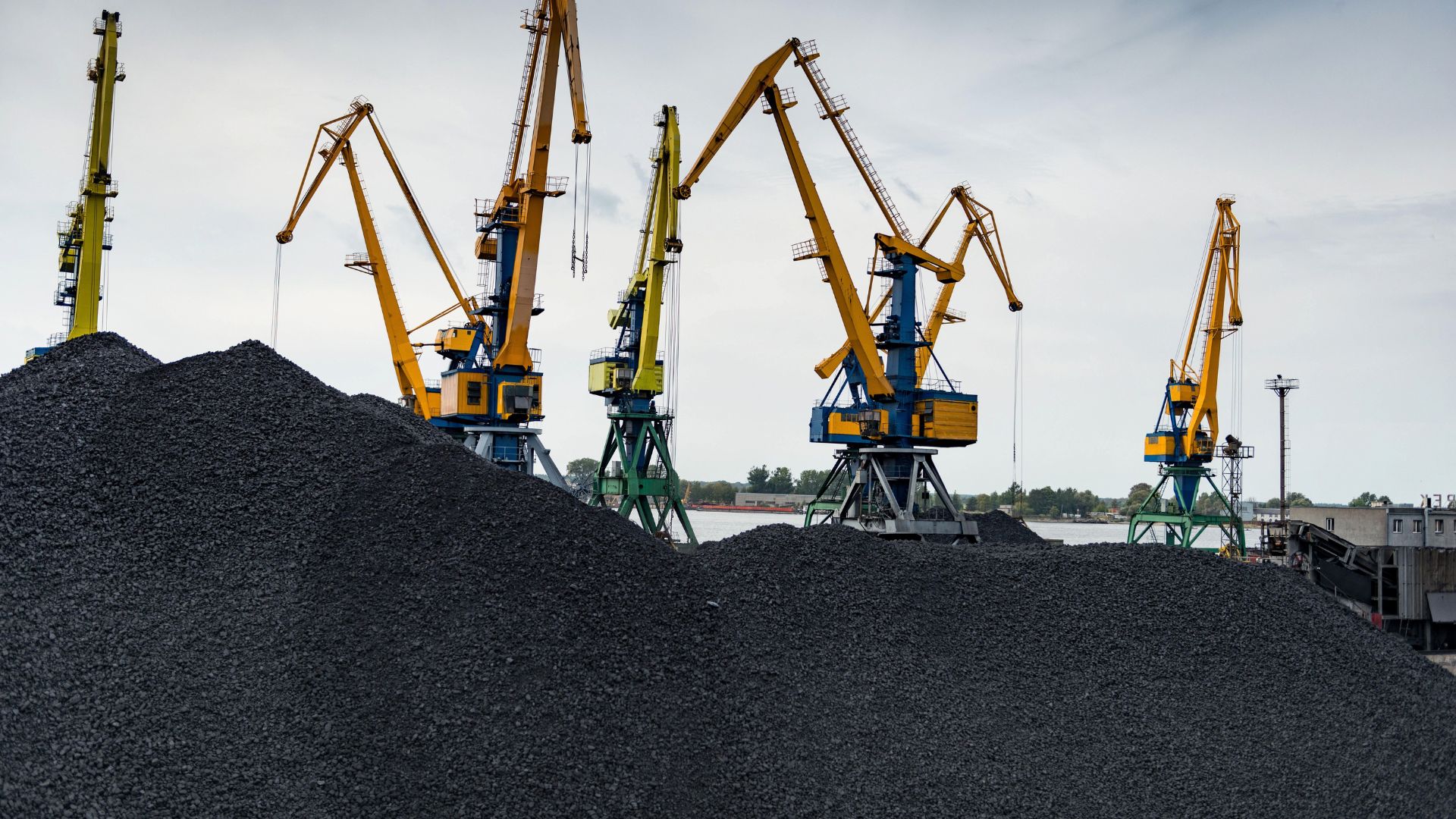






On September 29, 2026, Indonesia’s Ministry of Energy and Mineral Resources said it is preparing East Kalimantan and South Sumatra to serve as central hubs for projects that convert low-calorie coal into fuel blends, including gasoline and diesel. The plan directs domestic coal toward transport fuel supply while global crude prices stand at US$107 per barrel and Indonesia continues to import a large portion of its crude oil.
Key Facts At A Glance
- Deputy Minister of Energy and Mineral Resources Yuliot Tanjung announced the hub plan in Jakarta on September 29, 2026.
- East Kalimantan and South Sumatra are the two provinces named as central coal-to-fuel hubs.
- The central project is a coal gasification facility at the Batuta Chemical Industrial Park in East Kutai District, East Kalimantan, which will produce methanol for fuel blending.
- PT Bumi Etam Chemical, a joint venture of PT Arutmin Indonesia and PT Kaltim Prima Coal, is developing the facility, which will process about 7.70 million to 7.78 million metric tons of low-calorie coal per year.
- Reported targets for the facility are commissioning in 2029 and commercial operations in 2030, at a reported project cost of US$2.3 billion.
- Methanol imports supplied 68% of Indonesia’s domestic methanol demand in 2025.
- Public reporting has not given timelines, budgets or named projects for the South Sumatra hub.
Indonesia’s Ministry of Energy and Mineral Resources is positioning East Kalimantan and South Sumatra as central hubs for converting low-calorie coal into fuel blends, Deputy Minister Yuliot Tanjung said in Jakarta on Tuesday, September 29, 2026. The ministry said the projects are designed to turn low-calorie coal into blends that include gasoline and diesel.
Yuliot said several projects are underway in East Kalimantan and that initial work has already begun there. He added that the ministry is pushing for similar activity in South Sumatra and in other regions with significant coal potential. Publicly available details on the South Sumatra component remain limited: reporting on the announcement does not name specific projects, developers, investment amounts or timelines for that province.
The Batuta Chemical Industrial Park Project
The ministry identified a National Strategic Project at the Batuta Chemical Industrial Park in East Kutai District, East Kalimantan, as the cornerstone of the initiative. The project uses coal gasification to produce methanol, which will then be used as a raw material for synthetic fuel blending. “Methanol can be used for fuel blending,” Yuliot said.
The facility is being developed by PT Bumi Etam Chemical, a joint venture between PT Arutmin Indonesia and PT Kaltim Prima Coal. Yuliot officiated at the groundbreaking ceremony, which was reported on September 1, 2026, and which marked the start of construction of the methanol facility. The plant will process about 7.70 million to 7.78 million metric tons per year of coal with a calorific value of 3,300 to 3,400 kilocalories per kilogram. Its output is meant to be methanol meeting International Methanol Producers and Consumers Association grade standards.
Reported capacity and schedule figures differ slightly across publications. Hydrocarbon Processing reported in July 2026 that PT Bumi Etam Chemical signed front-end engineering design and engineering, procurement, construction and commissioning agreements with CNCEC. That report put the project cost at US$2.3 billion, initial capacity at 2 million metric tons of methanol per year, a long-term target of 3.6 million metric tons, and commercial operations in 2030. Antara reported that the developer is targeting commissioning in 2029. Liputan6 reported a production target of about 2 million tons of methanol per year and estimated foreign exchange savings of up to Rp7.1 trillion annually.
Hydrocarbon Processing also reported that imports supplied 68% of Indonesia’s domestic methanol demand in 2025, totaling 1.3 million tons at a cost of about US$400 million. It said demand is expected to rise as Indonesia expands its B50 biodiesel mandate, for which methanol is a key feedstock. The facility will also produce sulfuric acid as a byproduct.
Policy Direction And Context
The ministry linked the initiative to directives from President Prabowo Subianto on national energy and food self-sufficiency. Speaking at the Gontor Islamic boarding school in Ponorogo, East Java, on September 19, the president said Indonesia had produced diesel from palm oil and was capable of producing gasoline from palm oil. He added that the country would also produce gasoline from coal.
Minister of Energy and Mineral Resources Bahlil Lahadalia said earlier that his office would follow up on every presidential directive on using domestic energy sources to strengthen energy security. The ministry noted that coal-to-liquid technology is already established globally. It cited Germany’s historic use of the technology and the ongoing operations of South Africa’s Sasol, which produces about 300,000 barrels per day.
On the same day as the hub announcement, Yuliot said the ministry is also accelerating domestic oil and gas exploration. He said this was in response to geopolitical turmoil that pushed global crude prices to US$107 per barrel. Yuliot said a large portion of Indonesia’s crude oil supply is still imported.
The ministry has not publicly specified how much coal the planned hubs would use in total, what volume of fuel they would produce, or how they would be financed. Beyond the Batuta project, available reporting on the September 29 announcement comes mainly from a single Antara report, and further details have not been released.

